


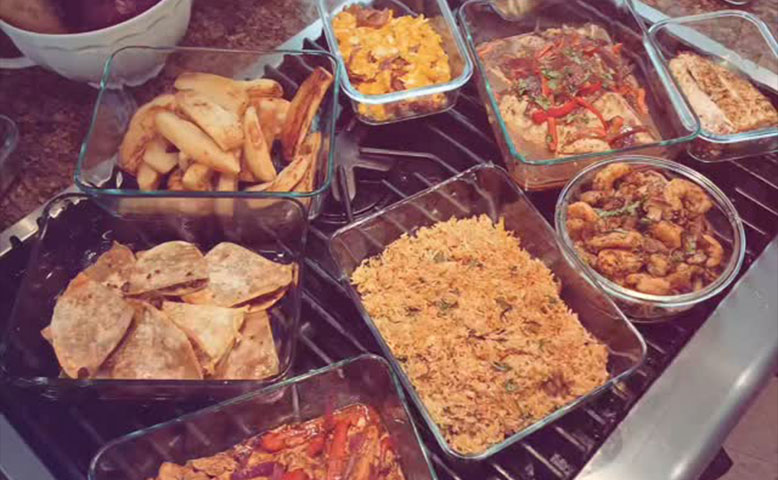
Having a personal chef may sound fancy, but for many families, it is mainly about safety and health. When someone has a food allergy or a special diet, one small mistake in the kitchen can cause big trouble. It might mean a rash, stomach pain, or even an emergency visit. A personal chef can help prevent this. They learn what you can and cannot eat, plan meals, buy safe food, and cook with care. This takes stress off the family and makes mealtimes easier. In this blog, we will look at how a personal chef handles dietary restrictions and food allergies in a simple, practical way that keeps you safe.
Why Some People Need Careful Special Diets
Not everyone can eat the same foods. Some people feel sick after certain meals. Others follow strict rules from their doctor or their faith. These rules are called dietary restrictions. They are not just “preferences.” They matter every single day.
Common reasons for special diets include:
- Food allergies such as peanuts, tree nuts, milk, eggs, fish, or shellfish
- Food intolerances like lactose or gluten sensitivity
- Health needs such as diabetes, celiac disease, or high blood pressure
- Religious or ethical diets like halal, kosher, vegetarian, or vegan
Food allergies involve the immune system. The body reacts to a food protein as if it were harmful. Even a tiny bite can cause hives, swelling, or breathing trouble. Intolerances usually affect digestion. They can cause gas, cramps, or loose stools, but are rarely life-threatening. A personal chef needs to understand this difference because the level of risk is not the same. With this in mind, they can plan safe meals that still give enough protein, fiber, and vitamins for normal growth and energy.
First Talk: Sharing Your Everyday Food Story
Before cooking, a good personal chef spends time listening. The first meeting is like telling your food story. The goal is not just to fill out a form. It is to understand your daily life and what food means in it.
In this first talk, the chef may ask:
- Which foods must you avoid, and what happens if you eat them
- Any past reactions, even small ones, after certain foods
- If you have doctor notes, test results, or a diet sheet
- Your favorite meals, snacks, flavors, and textures
- Foods you strongly dislike or cannot stand to smell
- What a normal day looks like: work, school, sports, and meal times
The chef may also ask about your activity level. All of this goes into a simple written plan. The chef checks this plan before each cooking day and updates it with you when your health or taste changes.
How Personal Chefs Reduce Allergy And Intolerance Risks
When a client has a strong allergy, a personal chef treats that rule as a serious safety issue. The main goal is to avoid cross-contact. Cross-contact happens when safe food touches even a small trace of an unsafe food, like peanut dust on a knife.
To cut allergy and intolerance risks, a careful chef will:
- Before and during cooking, wash your hands with warm, soapy water.
- Use different knives and cutting boards for items that don’t have allergens in them.
- Use clean pans, bowls, and spoons for each dish
- Never reuse frying oil that has touched food with allergens
- Read every label, every time, even for items used before
They also learn the many names for common allergens. For example, milk can appear as whey, casein, or lactose on a label. Wheat can hide in sauces and seasonings. For serious allergies, some families share an action plan. It lists early signs of a reaction, which medicine to use, and who to call. The chef maintains this plan close by so they know what to do if something goes wrong.
Planning Weekly Menus For Different Eating Styles
Menu planning is where health, taste, and rules meet. A personal chef looks at the full week, not only one meal. They try to balance energy, variety, and safety while keeping your rules in mind.
When planning a week of meals, a chef might think about:
- Protein: chicken, fish, eggs, beans, lentils, tofu (if safe)
- Carbohydrates: rice, potatoes, oats, or gluten-free grains
- Healthy fats: olive oil, avocado, nuts or seeds (if allowed)
- Fiber: fruits, vegetables, and whole grains are safe
For a low-sodium diet, the chef can:
- Use herbs, garlic, onion, pepper, and lemon instead of lots of salt
- Choose fresh meat and fish instead of processed, salty products
- Pick canned beans and vegetables marked “no salt added.”
They pick rice, quinoa, corn, or gluten-free oats for a gluten-free diet. They also check sauces, soups, and dressings, since many contain hidden wheat. Over time, the chef learns which meals you enjoy the most and builds them into a simple weekly rhythm you can count on.
Careful Grocery Shopping, Food Labels, And Storage
Safe cooking starts in the store. A personal chef often becomes very skilled at reading labels. They look past the front of the package and focus on the small print on the back.
Smart shopping habits include:
- Choosing simple foods with short, clear ingredient lists
- Buying fresh produce, plain meats, and whole grains
- Avoiding products with unclear or confusing labels
- Checking for “may contain” or “made in a facility with” warnings
Once the food is home, storage matters too. A good system can prevent both spoilage and cross-contact.
Common safe storage rules are:
- Keep the fridge at or below 40°F (around 4°C)
- Keep the freezer at 0°F (about -18°C)
- Store allergen-free foods on shelves away from crumbs
- Use sealed containers and label them with the name and date
Some chefs also add simple notes like “dairy-free,” “gluten-free,” or “no nuts” on the lids. This helps every family member grab the right meal. Good storage cuts waste and makes it easy to see what is safe and what needs to be used soon.
Cooking Habits That Keep Every Meal Safer
In the kitchen, small habits add up to big safety. A personal chef usually follows the same careful steps each time they cook. This keeps risk low and makes the process smooth.
Basic safe cooking habits include:
- Washing hands for at least 20 seconds with soap
- Cleaning counters and tools before starting
- Keeping raw meat away from ready-to-eat foods
- Using separate utensils for tasting and stirring
- Covering finished dishes so crumbs cannot fall in
Cooking temperatures are also important. Many chefs use food thermometers, not just “guessing” by looking.
For example:
- Chicken and turkey should reach 165°F (about 74°C)
- Ground meats like beef should reach 160°F (around 71°C)
- Fish should reach 145°F (about 63°C)
Heating food to these levels kills many harmful germs. When you reheat meals later, clear instructions from the chef help you warm them in a safe way, too, so the last bite is just as safe as the first.
Talking Often So Meals Stay Safe And Enjoyed
Good food service is not just about cooking. It is also about regular, honest talk. After each cooking day, many personal chefs leave a short note or message for the family. This makes it clear what is in the fridge and how to use it.
These notes may include:
- A list of each meal prepared
- Main ingredients and any key substitutions
- Simple heating steps, such as “microwave for two minutes.”
- How long to keep each dish before freezing or throwing it away
Clients can reply with short comments like, “The soup was too spicy,” or “The pasta kept me full all afternoon.” Even quick notes help the chef adjust salt, spice, portion sizes, or textures. Over time, this two-way talk builds trust. You know what the cuisine will be like, and the chef knows what you need from them.
Why Carmie’s Healthy Cooking Can Help Your Home
Living with allergies or strict diets is hard work. Reading labels, planning meals, and cooking every day can be tiring and stressful. A personal chef can take much of that weight off your shoulders by planning safe menus, shopping with care, and using smart cooking habits that protect your health. Carmie’s Healthy Cooking can serve as your personal chef partner, focusing on meals that match your diet rules and taste. With Carmie’s Healthy Cooking, your table can hold food that is safe, simple, and truly suited to the way your family eats and lives.